Technology education that starts with why.
Open Minds teaches young people to use technology on real societal problems, investigated in partnership with the people whose lives those challenges affect, fact-checked and grounded in the real research, and built into something creative, collaborative and technological that responds to the real-world issue. It is how a generation learns to take on what matters, from cancer to climate to hunger, and how it becomes the founders, problem-solvers and technology-literate talent that industry and investors are looking for.
Already running in Swedish classrooms, on its second hardware order, and a research use case of GRAPHIA, the Horizon Europe knowledge graph for the social sciences.
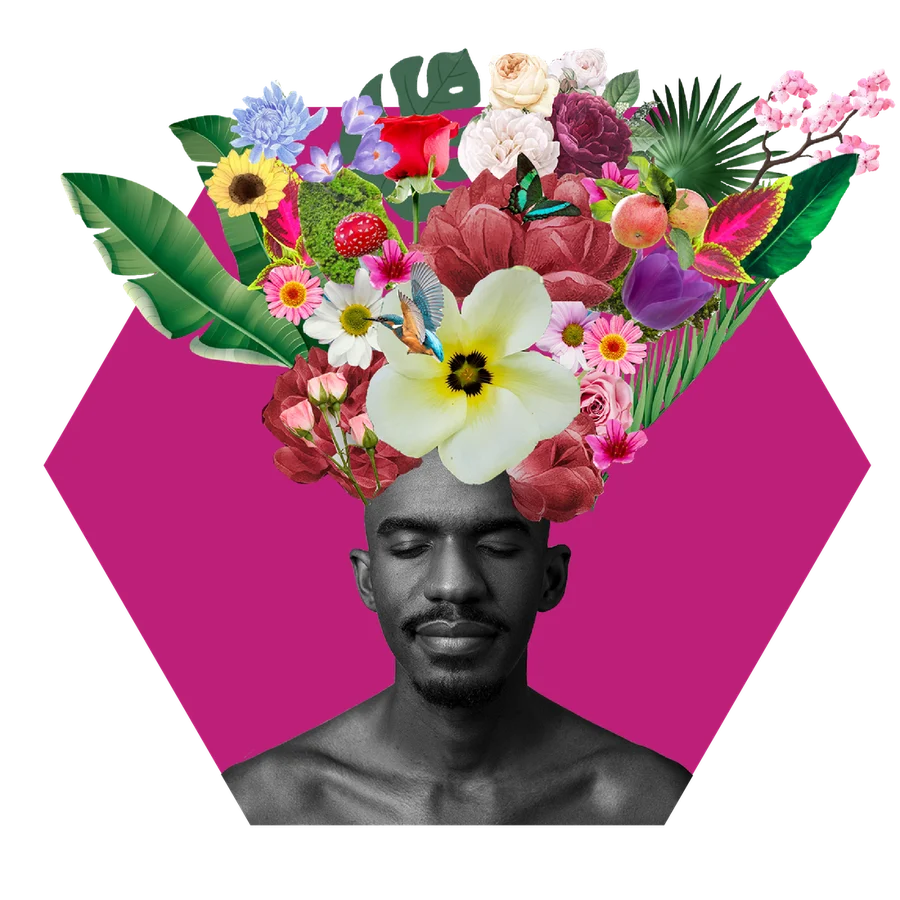
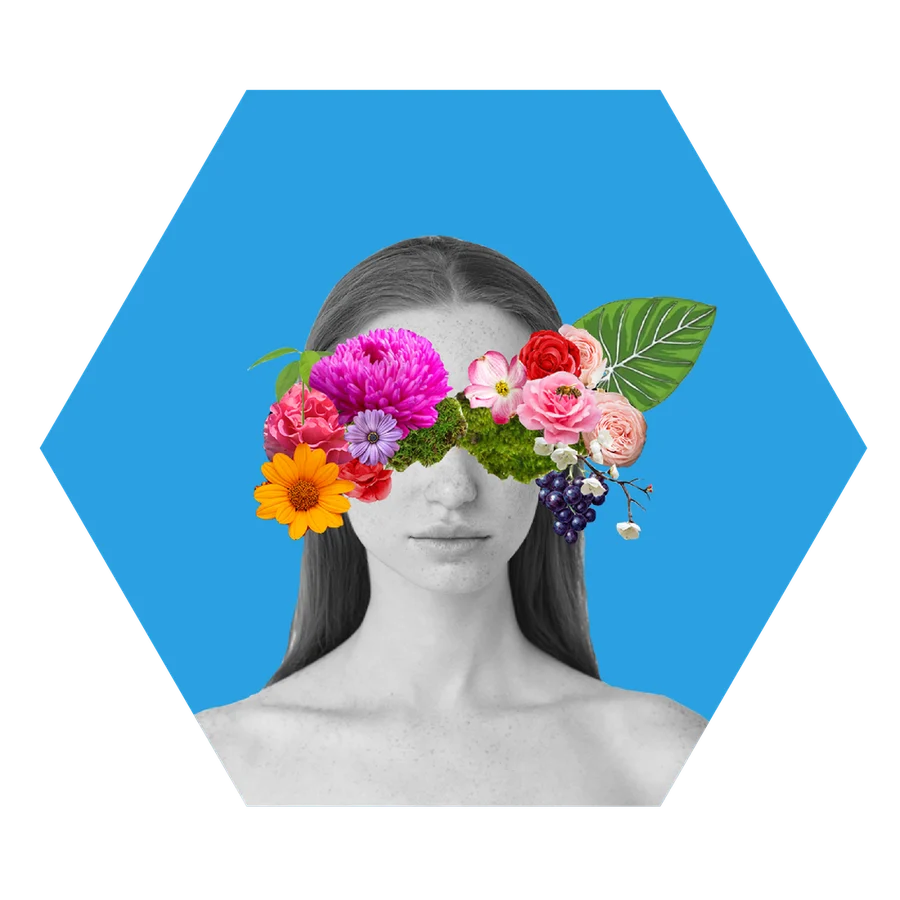
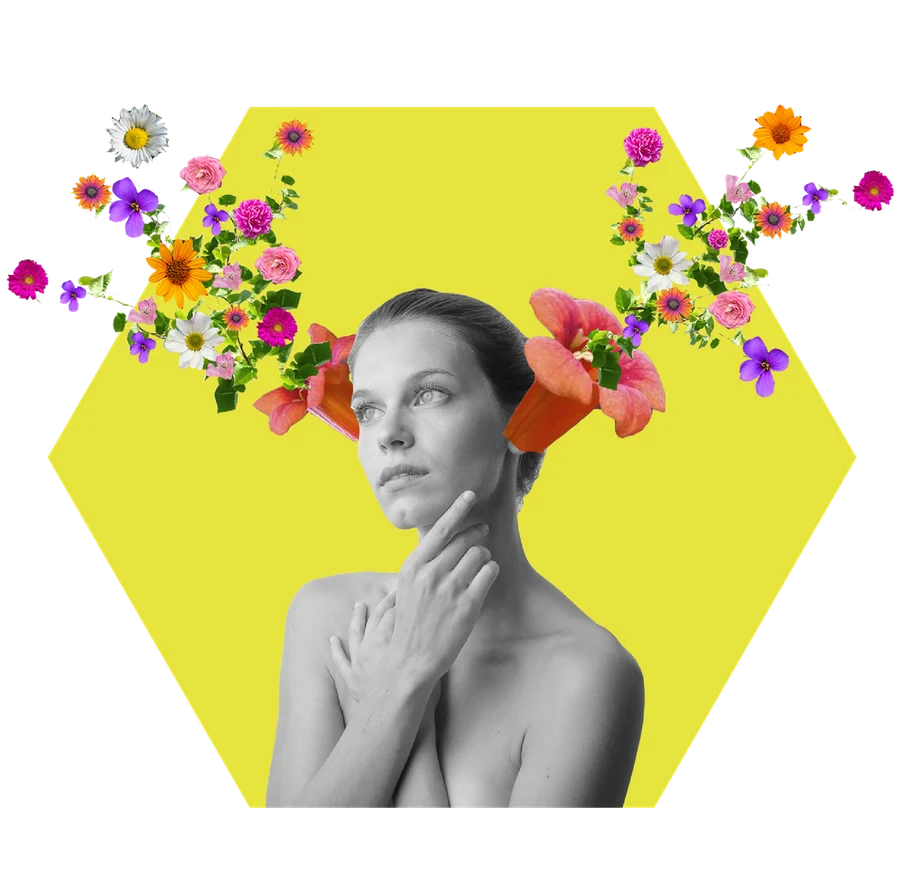
How it works.
The full student journey, running in a browser: drawing the cards, forming a hypothesis, testing it with the people it affects and against the research, then designing, building and sharing a response.
School teaches the how. Nobody is asking why.
Schools already teach technology. The requirement is met with kit-and-instructions projects: build a robot, build a remote-controlled car, build a chatbot. Students learn which lever to pull to get which output, and the box is ticked.
What that approach does not produce is engagement. Research for The Disengaged Teen (Anderson and Winthrop, 2025) describes the most common way teenagers move through school as "passenger" mode: present, compliant, and switched off. It names the opposite the explorer: the student driven by their own curiosity, chasing the questions they care about. The cost of a passenger education is a generation trained to follow instructions in a world that needs people who can decide what is worth building. Open Minds exists to move young people from the one to the other.
It starts with three cards on a table.
One card describes a person. One adds a condition. One names an environment. The deal is random, and that is the point: the combinations are not the ones anyone would have chosen, and they are exactly the ones the world contains. The group's first task is not to build anything. It is to form a hypothesis about what is true for that person in that place, and then to find out whether it holds.
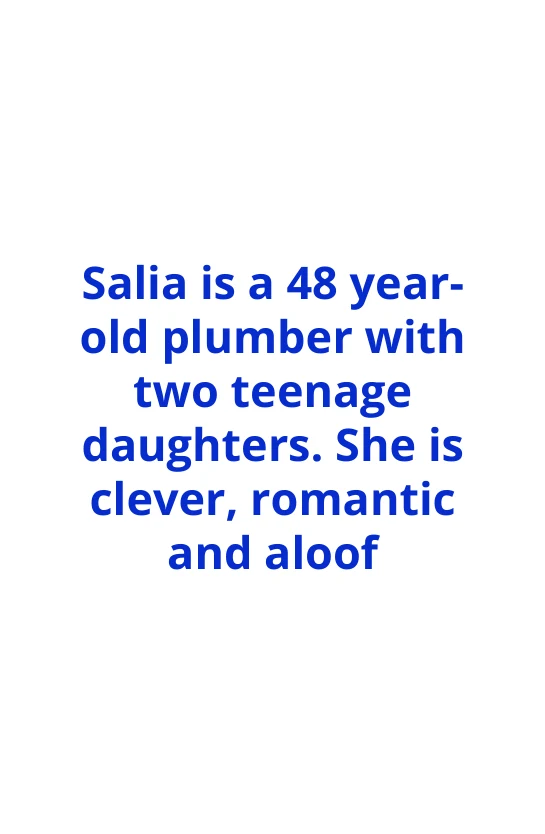
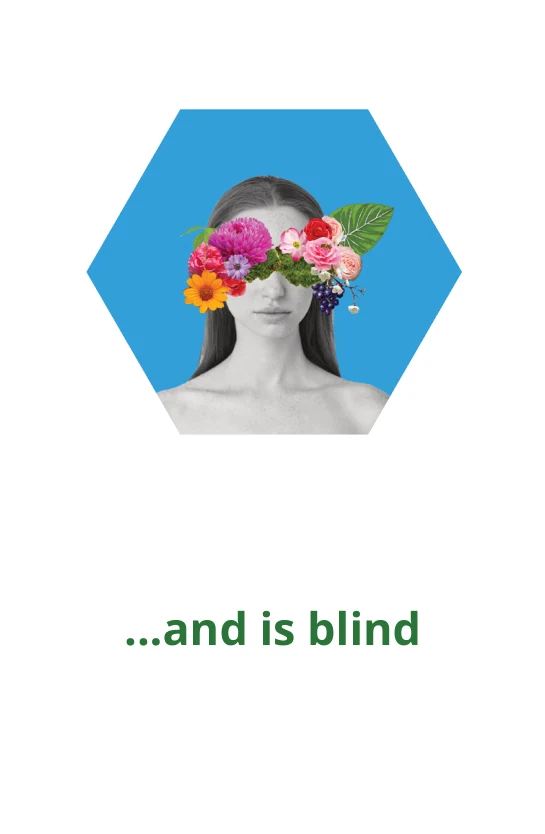
"If Salia is at a concert and she is blind, then the experience may be designed to be navigated by sight: the entrance, the queue, the bar and the crowd between her and the stage, and the sound alone may not tell her where she is."
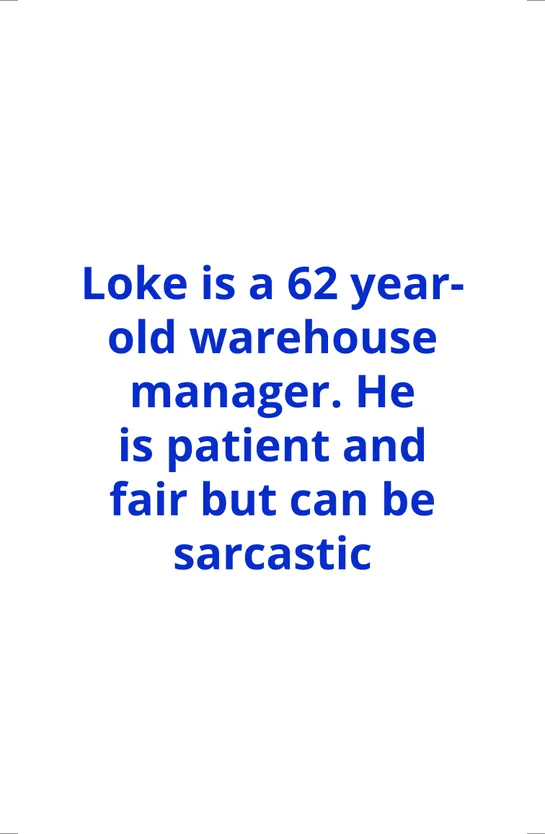
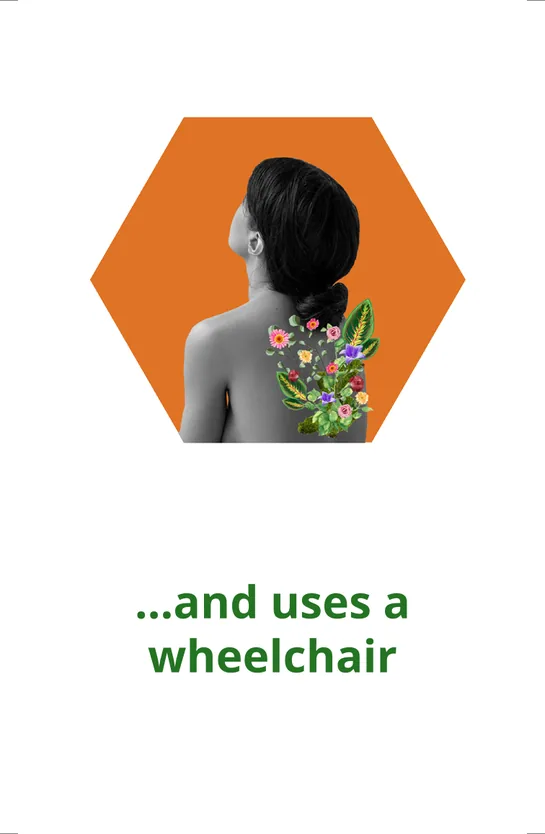
"If Loke visits a museum and he uses a wheelchair, then the route through the collection may have been planned around stairs and heavy doors, so the order the curators intend may not be the order he can actually take."
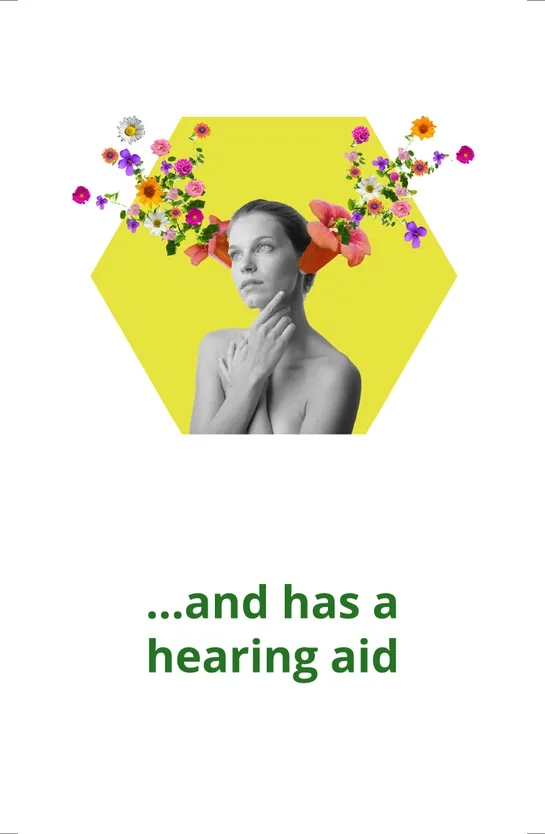
"If Camille is at a train station and she has a hearing aid, then the platform change may be announced over a loudspeaker she cannot make out above the echo and the crowd, and she may learn she has missed the train only when it has gone."
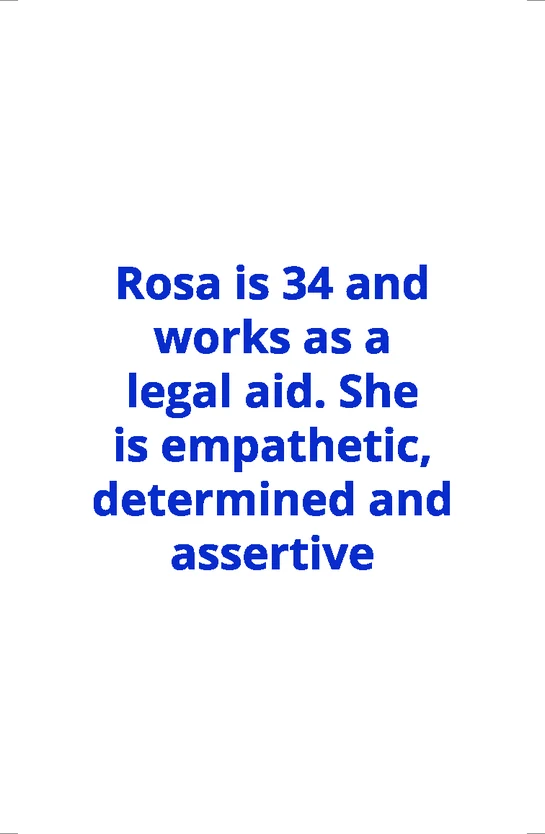
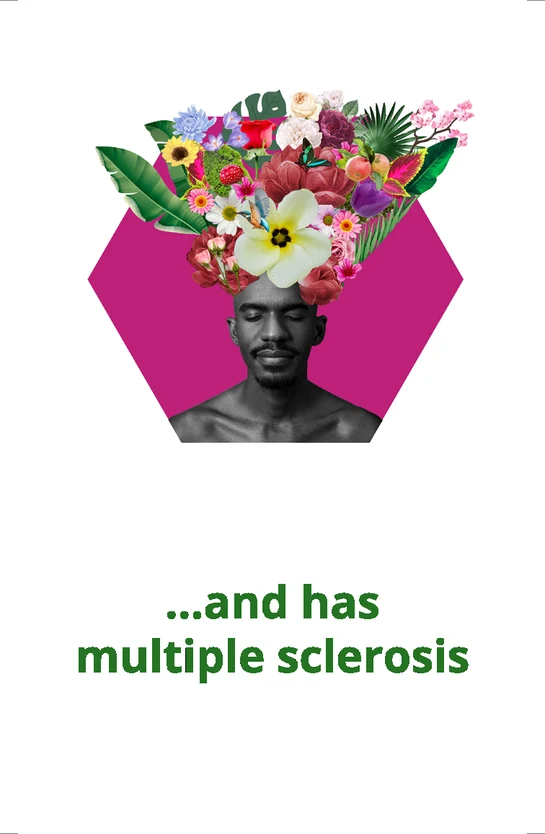
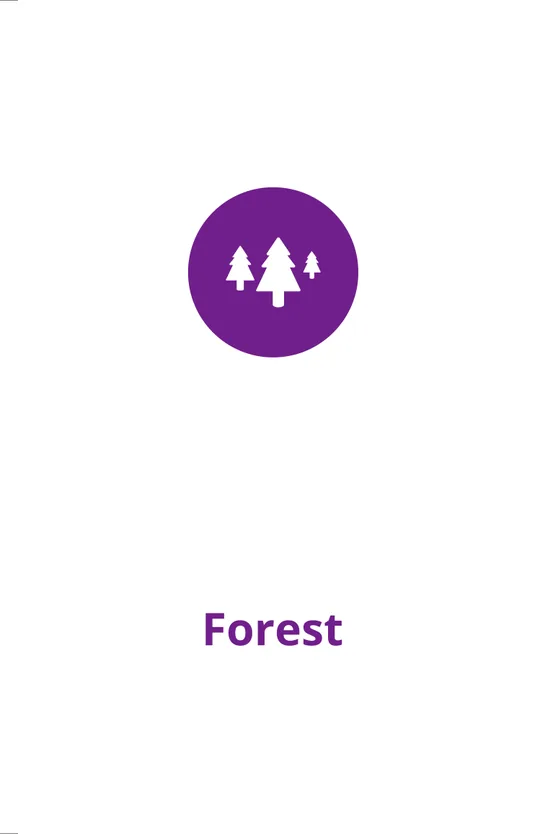
"We cannot write this hypothesis yet. Multiple sclerosis is not one fixed thing: it can mean exhausting fatigue one week and almost nothing the next, and it rarely shows from the outside. Before we assume what a forest walk costs Rosa, the group's first job is to find out what the condition actually means for her."
Real cards from the Open Minds deck, dealt the way a class would meet them. Each draw is a different person, condition and environment.
Draw 1 of 4. Before anyone builds anything, the hypothesis gets tested: with the people who live with the situation, and against published research.
Assessment lives in the sixth phase. The artefact a group makes to communicate its journey is the evidence. Teachers tag the curriculum competencies it demonstrates, and a school sees something it cannot get from test scores: documented engagement, project by project, in the students' own work. For the teacher, the method also works as a walkthrough: it carries much of the lesson planning, and because the group presents its journey, it replaces a stack of individual marking with one shared piece of evidence.
Every release is a new challenge.
Open Minds grows by themed releases: new card packs, new courses and new hardware, each focused on a different societal challenge. Students do not work through a fixed syllabus; they meet a stream of problems and pursue the ones that matter to them.
Want this in your classroom or organisation?
Join the waiting listNo fourteen-year-old should have to dig through thirty-page papers to find out if their idea is true. So we are building a way in.
We ask young people to design for real societal challenges, and the evidence that should ground their hypotheses exists. But it sits scattered across journals and databases, and finding the right papers, then mining each one for the few paragraphs that bear on your question, is research labour nobody should expect of a school student. A search engine returns superficial summaries; a general-purpose AI returns plausible-sounding claims with no sources.
Open Minds is a formal industry use case of GRAPHIA, the Horizon Europe project building a connected, searchable knowledge graph of published research across the social sciences and humanities. The research engine is in development: a student's hypothesis will be checked against the corpus and come back as a legible synthesis of what has been studied, what was found, where the evidence disagrees, and where there are gaps. When there is no evidence, it will say so. Students learn research craft, and teachers get claims they can defend.
Read the published use case →
This already runs in real classrooms.
The toolkit
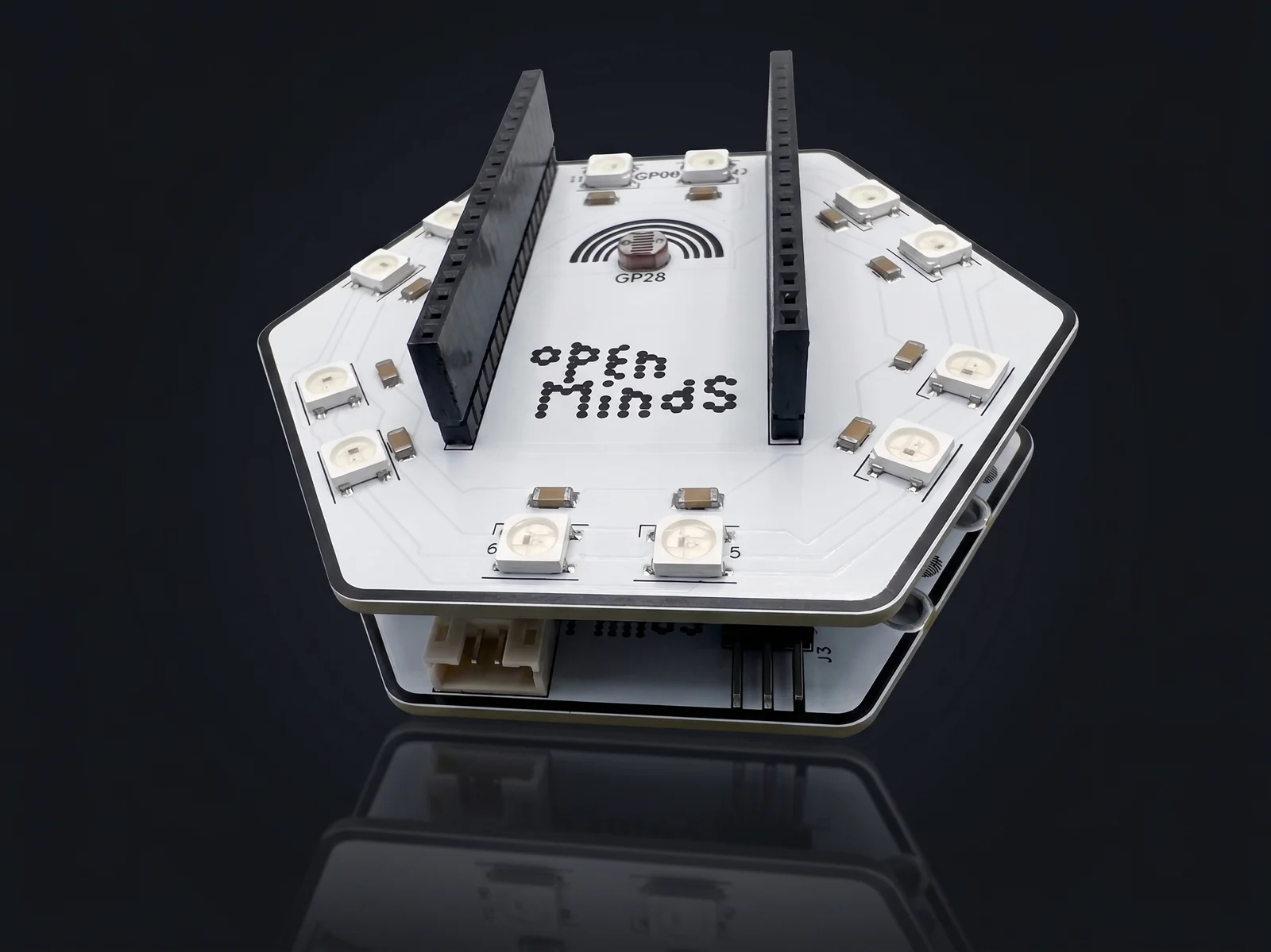
A custom hexagonal microboard running MicroPython on a Raspberry Pi Pico, with capacitive touch and built-in WiFi, and stackable hats that both sense and respond: light, sound and motors today. Almost any other sensor or output can be connected too. In classroom use at Maja Beskowgymnasiet in Umeå, now on its second hardware order.
The cards
Print-ready ideation decks in English, Swedish, Croatian, Albanian, Finnish and Portuguese, developed and tested with over 250 participants across five European countries.
The student journey
The full six-phase experience runs in a browser today, including programming the physical board directly from the web page. A platform around it, with classes, evaluation and memberships, is in build.
The philosophy
A full educational philosophy sets out what Open Minds is and what it asks of a classroom, externally reviewed and continuously revised. The methodology is the product; everything else serves it.
You can start with no hardware at all. The toolkit is purpose-built for the programme, but the methodology, the card decks and the free handbook stand on their own. A group can run a full project on cards and conversation, and bring the boards in when a design calls for them.
No student data, by design. The platform is built to hold no personal data about individual students. The work belongs to the group, and what we assess is the journey the group can show and teach, not a tracked individual, so a school or organisation has nothing to consent away under GDPR.
The founding idea: people are not impaired. Environments are disabling.
Open Minds began as an Erasmus+ programme of the same name, created at MTF Labs, the Swedish innovation lab whose community of around 9,000 innovators spans academia, industry, science and the arts. Its focus was Design for Radical Inclusion, the theme of that first card deck, and it rests on a simple idea: exclusion lives in the design of the built environment, not in the people it fails. The programme ran with over 250 participants aged 18 to 30 across Sweden, Croatia, Portugal, Finland and Albania.
That programme produced the card game, the toolkit, a full curriculum and a free 110-page handbook. The venture you are reading about now takes that tested approach to schools and the other places young people learn, as a platform, and to every societal challenge it can reach.
Download the original handbook (PDF) →
The methodology and the microboard are built by working teachers in Sweden and the UK:
- Pedagogy and hardwareTom Fox
- Pedagogy and softwareWilliam Viktorsson
Both are classroom teachers who know what survives a real lesson.
- Concept and original designMichela Magas
- Architecture and directionAndrew Dubber
- Business development and partnershipsMartin Ärlestig
- CommunicationAbel Buko
- AdvisoryTammarrian Rogers
Between them they are award-winning educators and innovators who have written forward-thinking curricula, run international innovation labs for young people, and developed a Makeathon methodology delivered and trained in seven countries. Together they have developed a student-centred approach to engagement, imagination and multidisciplinary learning aimed at moving young people from passengers to explorers.
The original Erasmus+ programme was developed at MTF Labs by Michela Magas and Andrew Dubber with Zaga Prce Veseli (project manager), Maia Toots (education manager), Tim Palm (educator and media producer), Vanessa Alejandra Ortiz Rojas (design researcher) and Deborah Habermacher (management trainee), alongside project partners ACCAC, FabLab Zagreb, POLIS University and INESC-TEC.
Join the waiting list.
The Open Minds platform opens to its first cohorts soon: classes, group journeys, teacher tools and the research engine in one place. Places in the first pilot are limited, so leave your details and we will be in touch with early access, pricing and a place in the pilot.
Built on an Erasmus+ programme, tested with more than 250 participants across five countries, grounded in GRAPHIA (Horizon Europe), and already running in Swedish classrooms.